
First Responders Mental Health Treatment
- Rethink Mental Health
- Who We Help
- First Responders
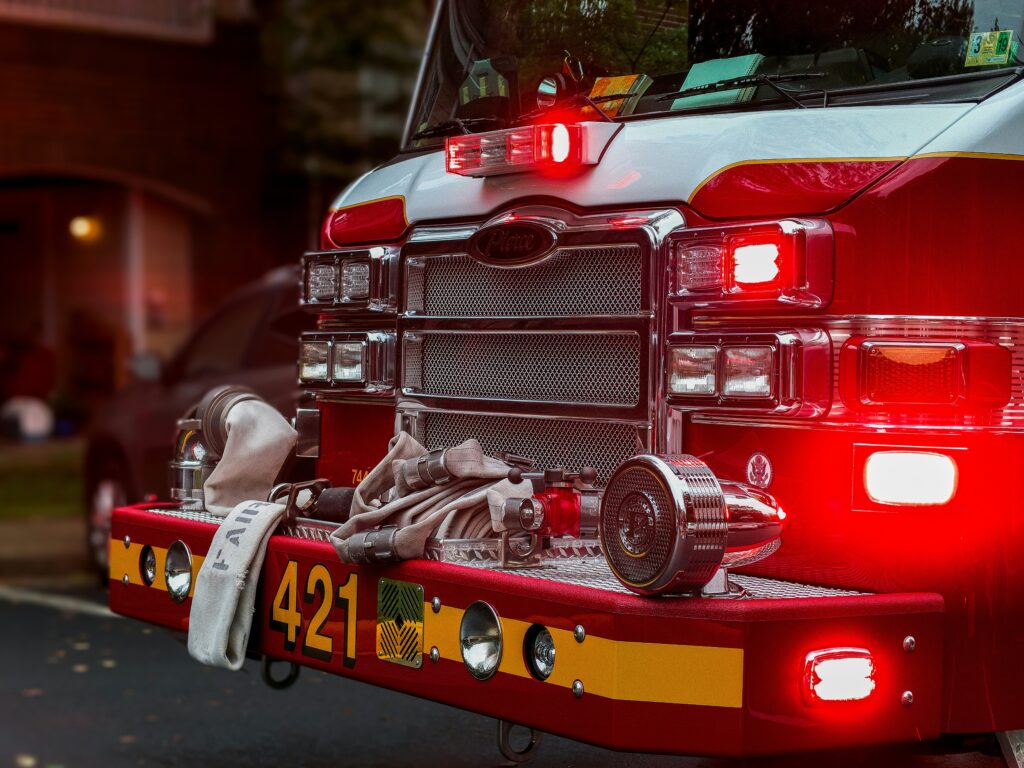
First Responders Mental Health Treatment in Neptune City, NJ
First responders—law enforcement officers, firefighters, emergency medical technicians (EMTs), paramedics, and other frontline workers—serve their communities in the face of danger, trauma, and immense responsibility. While their work is heroic, the continuous stress, exposure to traumatic events, and high-pressure environments leave many of these professionals vulnerable to mental health challenges. At Rethink Mental Health, we recognize these unique struggles and offer specialized care through our First Responders Mental Health Treatment in Neptune City, NJ, providing the tools and support frontliners need to heal and thrive.
With a focus on trauma-informed care, discretion, and customized treatment plans, Rethink Mental Health ensures that first responders receive expert support in a private, judgment-free environment. Whether you’re battling burnout, PTSD, anxiety, depression, or substance abuse, our team is here to provide the compassionate care you need to regain mental clarity and resilience.
The Mental Health Challenges of First Responders
First responders routinely operate in environments most people rarely encounter. As the first line of defense in emergencies, they face trauma and high-stress situations daily. Repeated exposure to life-and-death scenarios, coupled with the physical and mental demands of the job, often results in significant emotional challenges.
Key Issues Affecting First Responders’ Mental Health
- Post-Traumatic Stress Disorder (PTSD):
PTSD among first responders is especially common given their regular exposure to trauma. According to the Substance Abuse and Mental Health Services Administration (SAMHSA), 30% of first responders develop behavioral health conditions like PTSD, compared to the general population’s rate of 20%. Symptoms of PTSD include flashbacks, nightmares, hypervigilance, and avoidance behaviors that can disrupt daily life. - Burnout & Compassion Fatigue:
Constantly operating under high stress can lead to burnout, characterized by emotional exhaustion and reduced performance. Compassion fatigue—a sense of emotional detachment and numbness from routinely caring for others—may also appear and negatively impact relationships and job performance. - Depression:
Depression among first responders is often linked to the inability to process trauma, personal sacrifices, and the emotional toll of their work. Symptoms include persistent sadness, fatigue, irritability, and feeling disconnected. Left untreated, depression can lead to isolation or even suicidal thoughts. - Anxiety Disorders:
Anxiety among first responders may stem from unpredictable environments, fear of endangering others, and self-imposed accountability to perform flawlessly. Chronic worry and stress can result in overwhelming physical and emotional symptoms, including panic attacks. - Substance Abuse:
First responders often rely on alcohol or prescription medication to cope with stress and trauma. Substance abuse can escalate into addiction, risking both personal health and professional reputation. - Suicidal Ideation:
Alarmingly, suicide rates among first responders are higher than within the general population. The Firefighter Behavioral Health Alliance reports that more firefighters die by suicide than in the line of duty each year, underscoring the urgent need for mental health intervention.
How Rethink Mental Health Supports First Responders
At Rethink Mental Health, we understand that first responders need mental health care tailored to the realities of their work. By combining evidence-based treatment methods, holistic wellness approaches, and trauma-informed care, our team is uniquely equipped to support first responders facing emotional challenges.
Trauma is one of the most common and debilitating struggles for first responders. We specialize in trauma-focused treatments, including Eye Movement Desensitization and Reprocessing (EMDR) therapy, to help individuals unpack the impact of trauma and rebuild emotional strength.
Through EMDR and similar therapies, first responders can process events safely, reducing flashbacks, hypervigilance, and emotional triggers.
Our treatment programs offer a variety of evidence-based therapies to meet each first responder’s needs:
- Cognitive Behavioral Therapy (CBT) helps first responders challenge and change negative thought patterns, effectively addressing depression and anxiety.
- Acceptance and Commitment Therapy (ACT) teaches mindfulness to cope with difficult emotions, empowering individuals to stay focused amid high-pressure situations.
- Group Therapy creates a supportive space where first responders can connect with others who understand their stories, fostering camaraderie and collective healing.
Burnout and stress are significant barriers to mental well-being for first responders. Rethink Mental Health offers targeted solutions to reduce burnout and emotional exhaustion, including:
- Mindfulness meditation: Build emotional resilience with techniques to quiet the mind and reduce physical symptoms of stress.
- Stress reduction education: Learn how to navigate demanding schedules and balance work and home life effectively.
- Relaxation exercises: Explore practical methods to create moments of calm in high-pressure environments.
Rethink Mental Health provides dual-diagnosis care for first responders struggling with co-occurring substance abuse and mental health conditions. Substance abuse interventions are seamlessly integrated with therapy for anxiety, depression, or PTSD to ensure a coordinated path to recovery.
Unlike traditional programs, we offer solutions that address the root causes of addiction rather than focusing solely on symptoms.
Rethink Mental Health promotes whole-person healing by incorporating lifestyle-changing activities into treatment plans. Our holistic options for first responders include:
- Yoga and meditation for physical well-being and stress management.
- Nutritional coaching to optimize energy and focus.
- Creative outlets, such as art therapy, to encourage emotional expression.
These complementary therapies enhance recovery, helping clients build sustainable habits that improve their mental and physical health every day.

Mental Health Treatment Services Designed to Transform Lives
Explore our innovative mental health treatment services in New Jersey at Rethink Mental Health in Neptune City. From inpatient referrals to outpatient options we offer you everything you need to find long-term wellness from mental health & dual-diagnosis conditions.
Intensive Outpatient (IOP)
Treatment Services
When looking for a mental health IOP in New Jersey your best choice is Rethink Mental Health in Neptune City.
Outpatient Program (OP)
Treatment Services
The outpatient mental health programs at Rethink Mental Health were designed to offer you options in treatment.
Therapy & Counseling
Treatment Services
We offer quality counseling & therapy programs at Rethink Mental Health's treatment center.
Psychiatry Services
Treatment Services
Partial Care Program (PHP)
Treatment Services
Our mental health partial care program in NJ offers the benefits of inpatient care without the residential stay.
Inpatient Mental Health
Treatment Services
Find the best inpatient mental health facilities in New Jersey with the help of Rethink Mental Health.
What to Expect During First Responders Mental Health Treatment in Neptune City
At Rethink Mental Health, every step of the treatment process is designed to support you in a compassionate and confidential space. Here’s what you can expect when you choose our program for First Responders Mental Health Treatment in Neptune City, NJ:
1. Initial Assessment
Your treatment begins with a thorough mental health assessment. This includes identifying the specific challenges you face, including PTSD, anxiety, depression, or substance abuse. From there, we develop a personalized therapy plan tailored to your role and lifestyle.
2. Discreet & Professional Care
We deeply understand the importance of preserving privacy for our clients, especially first responders working in public-facing positions. At Rethink Mental Health, discretion is always prioritized, ensuring you can focus on healing without fear of judgment or stigma.
3. Customized Treatment
From individual therapy sessions to group settings with fellow first responders, our programs are adaptable to your unique needs. We utilize flexible scheduling and support to ensure the demands of your work don’t interfere with your recovery.
4. Aftercare Planning for Long-Term Success
Recovery is a lifelong process, especially for first responders who continue to work in stressful fields. At Rethink Mental Health, we create robust aftercare programs that include ongoing therapy, access to local resources, and strategies for work-life balance.
Why Choose Neptune City for First Responders Mental Health Treatment
Neptune City provides a calm, coastal setting that offers first responders the opportunity to step away from high-intensity environments and focus fully on healing. The peaceful atmosphere of the Jersey Shore, combined with close proximity to major highways and neighboring communities, creates an ideal balance of accessibility and retreat. For firefighters, police officers, EMTs, paramedics, and corrections officers, having a supportive environment that feels removed from daily triggers can make a meaningful difference in the recovery process.
At Rethink Mental Health, we intentionally integrate the benefits of the local community into the therapeutic experience. The area’s natural surroundings support stress reduction, mindfulness practices, and restorative routines that complement evidence-based treatment. Access to outdoor spaces, quiet neighborhoods, and wellness-centered resources helps first responders decompress while rebuilding resilience.
Reasons to Choose Rethink Mental Health in Neptune City:
Our clinicians specialize in working with first responders and understand the realities of shift work, critical incidents, cumulative trauma, hypervigilance, and job-related burnout. We provide trauma-informed care tailored to the culture of first responder professions, incorporating modalities such as CBT, EMDR, and stress inoculation strategies designed to address PTSD, anxiety, depression, and substance use concerns.
Seeking help can feel especially vulnerable in tight-knit professional communities. Our tranquil location offers a confidential, judgment-free setting where you can focus on recovery without fear of stigma. We prioritize privacy at every stage of care, ensuring a safe space for honest conversation and healing.
Neptune City is easily accessible from across New Jersey, including Monmouth County and surrounding regions, making treatment convenient without requiring extended travel. This allows first responders to receive high-quality care while remaining connected to family and support systems when appropriate.
We understand that many first responders have concerns about fitness-for-duty evaluations, licensing, or returning to active service. Our team works collaboratively to support both mental wellness and professional continuity, helping you build coping strategies that translate directly back into the field.
Choosing Neptune City means choosing a setting that supports both recovery and renewal. At Rethink Mental Health, we combine clinical expertise, community resources, and a restorative environment to help first responders regain balance, strength, and long-term mental wellness.
Conditions We Treat
At Rethink Mental Health, we treat a number of primary mental health conditions at our modern mental health facilities in New Jersey.

Inspiring Stories of Transformation
We’ve helped individuals and families around New Jersey through a variety of mental health issues and situations. Find out why you should choose Rethink Mental Health for your mental health needs in NJ.
When to Seek Mental Health Treatment
First responders are trained to stay composed under pressure, often placing the needs of others above their own. Over time, however, repeated exposure to trauma, high-stress calls, long shifts, and critical incidents can take a cumulative toll. Ignoring the warning signs of emotional strain does not make them disappear—it often intensifies them. Early intervention is one of the most effective ways to prevent short-term stress from developing into chronic mental health conditions such as PTSD, major depression, anxiety disorders, or substance use disorders.
You should consider seeking professional support if you begin noticing changes in your thoughts, emotions, or behavior that interfere with daily life or job performance. These may include:
- Flashbacks, avoidance, or emotional numbness related to traumatic calls or incidents.
- Persistent sadness, irritability, mood swings, or loss of motivation that lasts more than a couple of weeks.
- Chronic anxiety, hypervigilance, or feeling “on edge” even in safe or routine environments.
- Sleep disturbances, nightmares, or difficulty relaxing after shifts.
- Increased reliance on alcohol, prescription medication, or other substances to cope, unwind, or fall asleep.
- Anger outbursts or difficulty controlling reactions, especially at home.
- Withdrawal from family, friends, or coworkers, or feeling detached from people you once felt close to.
- Declining job performance, disciplinary issues, or loss of focus while on duty.
- Thoughts of self-harm or suicide, feelings of hopelessness, or believing others would be better off without you.
It’s also important to recognize that you don’t have to be in crisis to benefit from treatment. Many first responders seek therapy proactively to manage burnout, process cumulative stress, strengthen coping skills, and improve work-life balance. Addressing concerns early can protect both your mental health and your career longevity. If you are experiencing suicidal thoughts or feel you may be in immediate danger, seek emergency assistance right away by calling 911 or contacting the 988 Suicide & Crisis Lifeline.
Above all, remember this: asking for help is not a sign of weakness—it is a sign of awareness and courage. Taking care of your mental health allows you to continue serving your community with clarity, resilience, and strength.
Request a Callback
Find the Healing You Deserve
2100 Corlies Ave, Suite 8, Neptune City, NJ 07753
27 Hours a Day, 7 Days a Week
Begin the Healing Process at Rethink Mental Health
At Rethink Mental Health, we honor the bravery and dedication of first responders by providing expert First Responders Mental Health Treatment in Neptune City, NJ. Our personalized programs help clients overcome trauma, burnout, stress, and addiction, empowering them with emotional resilience and control over their mental health.
Contact Us Today
The sooner you seek help, the sooner you can begin to recover. Contact Rethink Mental Health today to speak with our admissions specialists or schedule your confidential consultation.
Let us support you as you rebuild strength, find peace, and take the next step toward healing.
We Work with Most Insurance